What I mean when I say I need rest
It is not always sleep. Sometimes it is permission.
July 4, 2026 · 3 min · by Arbild Helst
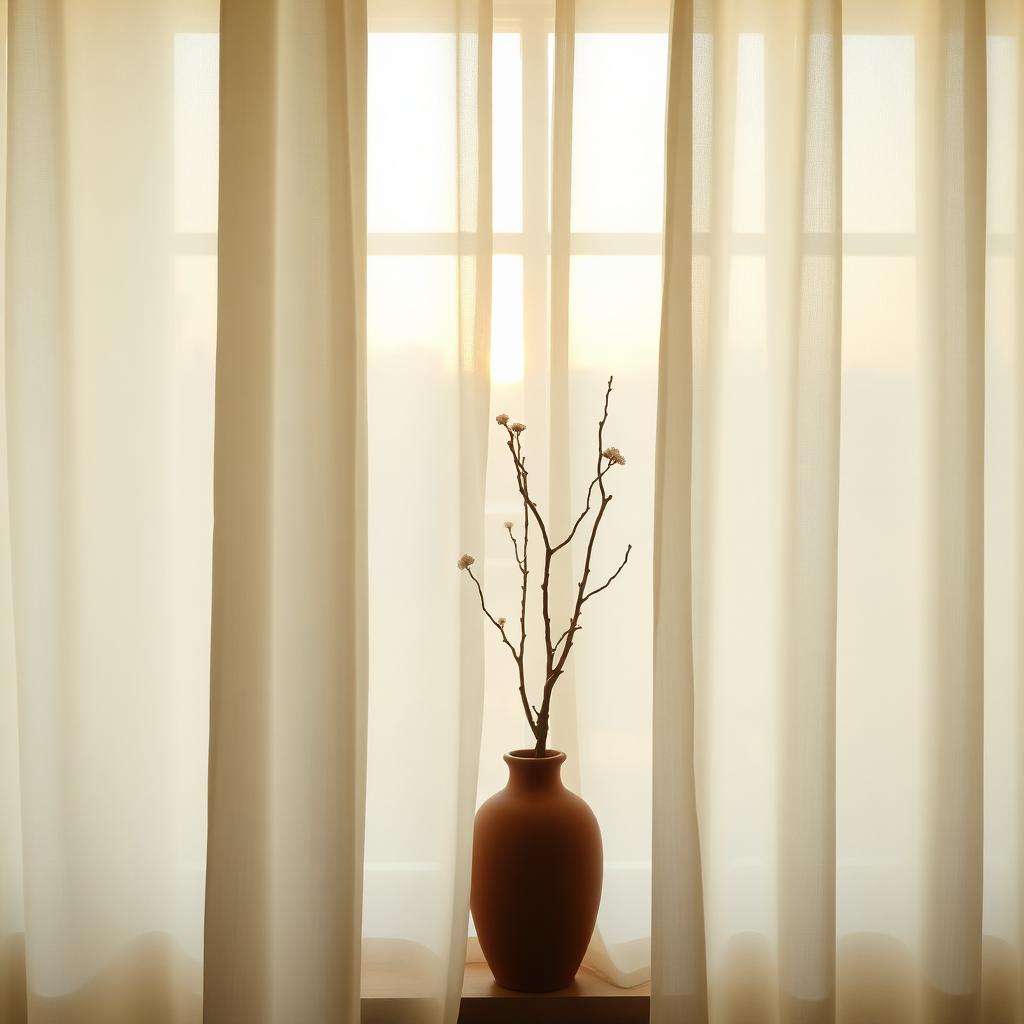
When I say I need rest, I do not mean only that I am tired in a physical sense. I mean something deeper: I need a pause from the noise, from the pressure, from the constant demand to react, decide, and keep up with everything. I am older now, and with age comes experience — not just the simple fact of having lived longer, but the chance to understand more clearly what is really happening around you. Not everyone uses that experience the same way. What separates people is not age itself, but the degree to which they are able to discern, to sort through life, and to see what is essential from what is merely disturbance.
Over time, we build a lifestyle around what we enjoy. We naturally try to arrange our days so that they contain as many pleasant moments as possible, as little discomfort as possible, and as much meaning as we can fit into the time we have. In a way, that becomes the quiet goal of many lives: to live as fully as possible by doing the things that make us feel alive, calm, or simply well.
For me, the first thing I want to do when I finally have free time is sleep. To recover. To let the mind and the body return to a more natural state. There is something almost miraculous in that simple kind of rest: it restores clarity, lowers tension, and gives everything else a chance to settle. Beauty sleep is not just a phrase; it is one of the most practical forms of self-repair.
But rest is not only sleep. If I want to avoid a chaotic life, full of scattered tasks and half-finished thoughts, I need order. I need to organize myself so that things become simpler, not more complicated. When I say I need a break, I also mean that I need to put my life back into a structure I can carry without feeling overwhelmed. Rest, for me, is also a form of arrangement: making space, reducing clutter, and restoring a sense of control.
From a biological point of view, rest is not a luxury, and it is certainly not a sign of weakness. It is one of the body’s most basic recovery mechanisms. Sleep supports attention, memory, emotional balance, and the repair of both mind and body. When it is neglected, the consequences are not abstract: judgment becomes poorer, patience thins, and even simple decisions start to weigh more than they should.
That is why, when I say I need rest, I am not speaking about indulgence. I am speaking about maintenance. A person who never rests does not become stronger forever; he becomes less precise, less stable, and eventually less effective. Rest is not the opposite of effort. It is what makes effort possible.