A letter to my younger self
Some advice I wish someone had written down and slipped under the door.
October 5, 2026 · 32 min · by Arbild Helst

I was young and everything in my life had a beginning.
It has happened to all of us that we learn our lessons in life most of the time having them as personal experiences: either as mistakes, or as singular experiences, or as good decisions made. But what if all this had been given from the beginning so that you could guide yourself in life better, easier?
The first thought is to consider that everyone learns from their own mistakes, for some that's the only way to learn. But it is somehow incomplete: you don't learn only from mistakes. Because not everything you do is wrong.
You also learn from things done well and from the experiences of others if you want that.
The example that comes to mind is that of reading. In the days of another century, this was done through physical books, the compulsory school curriculum: by understanding the world either from the author's interpretation, or through your own interpretation or, most often, from specialists through literary analysis.
But now we live with children in a digital, extremely fast, uncontrollable world. If the old school curriculum was improved over hundreds of years, the current one seems like a draft made by a student during a break in class.
Too little good advice that is explained, too few worthy examples, too many illiterate people with enormous fortunes, too many empty quotes in the online environment.
That's why, this list... to which it will add one piece of advice every week until it reaches 100.

The first piece of advice
“in your life you will go through many trials and tribulations whether you want it or not. All of this will be useless if you don't learn from them.”
Every experience leaves a piece of advice behind. Learn the advice, write it down, reread it, memorize it. Let it be at hand when you need it.
You will make mistakes over and over again if you don't retain the lesson learned.
How many times do we repeat a situation because we haven't learned from the accident that was repeated?
Forgetting is a natural and normal phenomenon, it occurs often. We forget unpleasant things faster than pleasant ones, but how useful it would be if in moments of uncertainty I could go to the examples that left examples behind. To remind yourself in a personal way of what you felt and what you learned.
Have a great Sunday my dears!

The second piece of advice
“Nothing is certain.”
After certain experiences in life will lift you to the ninth heaven, others will bring you to the ground.
Nothing is stable, nothing is absolute, nothing is nailed down.
Unfortunately, this advice is completely ignored by those who guide your steps in life. Moreover, as if it didn't hurt enough, it tempts you with the opposite.
I will give you just one example: “And they lived happily ever after.”
Take the few examples from life that could also be demonstrated in mathematics, and this is one of them. None other than Albert Einstein demonstrated that E = mc². So everything is relative.
This, if taken as such, will save you from many problems, it is the foundation of many more accurate tips. When you always take into account that things can change immediately, often irreparably, you will be able to navigate this life much more smoothly! So, remember: nothing is certain!
Have a wonderful Sunday, my dears!
The third piece of advice
“At fourteen, you need to study hard: The Code of Good Manners, Shogun by James Clavell, and at least one serious book about nonverbal communication.”
In a world where children are encouraged to call their parents by their first names, this is essential. It matters both for the parents who started down this road (because maybe it is not too late for them to realize where they went wrong, when they went to the mall in flip-flops and talked loudly in the movie theater), and especially for the children who have never been clearly shown what is good and what is bad, what an educated person looks like versus an uneducated one, what etiquette is and what simple common sense means. They all need to read what I would call a cornerstone of human evolution. You will need it, because one day you will find yourself in places where these things are noticed, where they open doors—or close them. If your destiny was only to be left running cows on the hill, then yes, these books would be useless to you.
The second book is Shogun. Through it, you will have your first contact with truly international-quality literature and with a culture very different from your own, an old culture built around a quality that is becoming rarer and rarer today: honor.
It is important because you will begin to understand the nuances of honor, loyalty, and duty; you will see people as they are—different, complex, and changeable—and you will realize that values can be lived in many ways, not just the one you inherited by accident of birth.
As for nonverbal communication, in an age when 'everything' is done online, it is needed like the air you breathe. You must learn to know a person not by what they say, but by how they are, by what their body, face, and tone betray when their words are polished and rehearsed.
For that, you need practice, and you need to step out of the imaginary world of the internet and back into the real world, where eyes meet, hands move, distances shrink or expand, and silence also speaks. Research shows that people often trust nonverbal cues more than spoken words, especially in emotional situations, precisely because they are harder to control and reveal what we really think and feel.
Nonverbal communication is the foundation of manipulation—and, just as importantly, of learning how not to fall into its traps. Those who master it can influence, seduce, intimidate, or deceive without ever raising their voice. Those who ignore it become easy targets for anyone who does. Modern psychology even talks explicitly about nonverbal influence: the ways tone, posture, facial expressions, and physical appearance shape our attitudes and decisions before we have time to analyze the words themselves.
And that, again, is a good thing—because once you see it, you cannot unsee it. You gain a shield and, sometimes, even a sword.
But about that, in the next piece of advice.
Have a great day, my dears!

The fourth piece of advice
“If you know something that must never become public, then never tell anyone. Ever. It could not be simpler.”
Every person has a few skeletons in the closet, things they hide from others for different reasons. Sometimes these are matters of shame; other times they are simply matters that demand absolute discretion. If you truly want to be safe from the humiliation of seeing such things exposed, then there is only one reliable method: keep them to yourself.
But this is not as easy as it sounds. It takes a great deal of discipline to do it well, because discretion is not an instinct for most people; it is a quality learned through repetition, restraint, and self-command. You must train yourself to remain silent even when you are tempted by intimacy, by vanity, or by the illusion that “this person can be trusted completely.”
There will always be people who want to know exactly those things about you: what you hide, what your weaknesses are, what secrets you carry. Your task is simple—be strong enough to keep them to yourself. Not every question deserves an answer, and not every sign of curiosity is a sign of friendship.
In the end, people value a discreet person far more than a loud-mouthed one. That is an extra reward for keeping your skeletons small and your mouth shut. Discretion protects not only your secrets, but also your dignity.
After all, how could you ask others to guard your secrets when you were unable to guard them yourself—and even handed them over voluntarily? It would be absurd to be angry with them afterward. The first betrayal would already have been your own.
Have a nice afternoon, my dears!

The fifth piece of advice
“Be close to your parents”
As time passes, you begin to understand that life moves like sand through an hourglass: quietly, irreversibly, and often faster than we expect. Most of the time, we do not notice how little time remains until someone we love is suddenly no longer there. That is why your relationship with your parents should never be neglected. Be present for them, not only out of duty, but out of gratitude, because they were, in one way or another, the foundation on which you were built.
In psychological terms, this makes sense: the parent-child bond is one of the earliest and strongest sources of emotional security. Keeping that bond alive in adulthood can bring continuity, reassurance, and meaning. And when age comes for them, your presence becomes not just a kindness, but a form of human dignity. Time is merciless, so give your relationship with your parents the time it deserves.
Have a beautiful day, my dears!
The sixth piece of advice
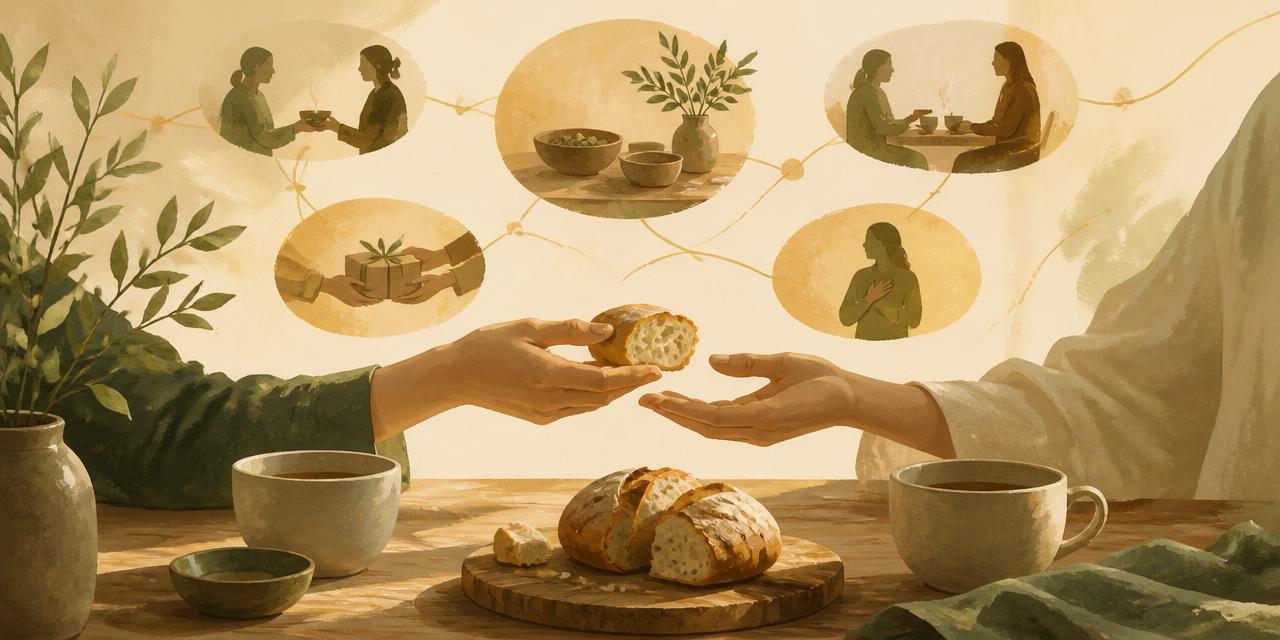
“Friendship has six signs: giving and receiving, eating and hosting, asking and confiding.”
A friendship is not proved by words, photographs, or the number of years two people have known each other. It is proved by balance. It is proved in small gestures repeated over time, in the ability to be present without keeping score, and in the certainty that both people carry part of the relationship.
The first signs are to give and to receive. A real friend gives time, attention, advice, help, and sometimes even the uncomfortable truth. But friendship cannot survive if only one person gives while the other only takes. That is not friendship; it is dependence, convenience, or exploitation dressed in warm language. To receive is also a form of trust. It means allowing someone to help you, instead of treating every act of kindness as a debt or an insult to your pride.
Then comes eating and hosting. Sharing a meal may sound simple, but it has always meant more than food. To eat with someone is to make room for them in your life. To host someone is to say: “You are welcome here. You are safe here. You matter enough for me to prepare a place for you.” A table has often revealed more about human relationships than a hundred speeches. People who can sit together in peace, laugh, eat, and speak without masks have already built something valuable.
The last two signs are asking and confiding. A friendship must allow questions. A friend can ask how you truly are, what you fear, what you plan, and what is hurting you. But asking must not become interrogation, curiosity without care, or a hunt for weaknesses. The purpose is not to collect information; it is to understand the person standing in front of you.
And then there is confiding. This may be the deepest test of all. To share something personal with another person means placing a piece of yourself in their hands. It requires trust, judgment, and discretion. A person who turns your confession into gossip has not merely repeated words; they have broken the place of safety that friendship is supposed to create.
These six signs are simple, but they are not easy. They demand generosity without servility, openness without naivety, and loyalty without possession. Friendship is not a contract, yet it cannot live without reciprocity. It needs exchange: I give when you need; I receive when I cannot carry everything alone. I invite you into my home; you make room for me in yours. I ask because I care; you confide because you trust.
In the end, a real friend is not the person who applauds you the loudest in public. It is the person with whom you can share bread, silence, questions, burdens, and secrets—without fear that any of them will be used against you.
Have a great Sunday, my dears!
The seventh piece of advice
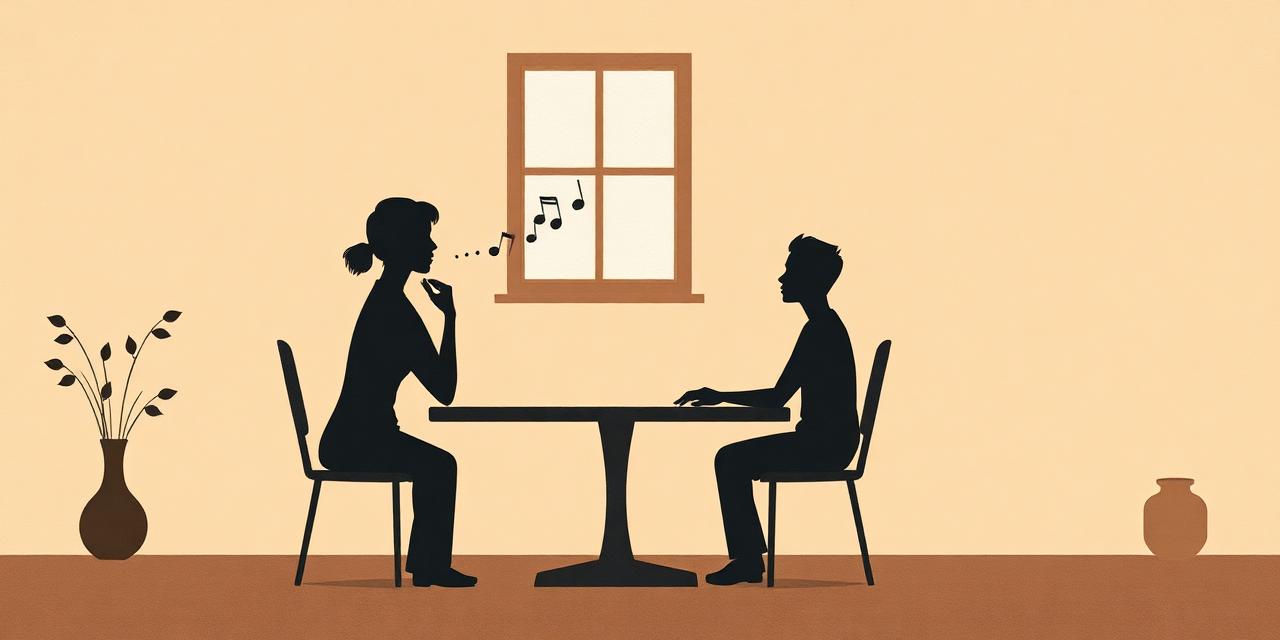
“When you have a conversation, learn to listen. Be silent as much as possible—and listen.”
If you want to understand people, truly understand them, learn first to listen. Listen not only to the words they choose, but also to what they avoid saying, to where their voice changes, to the stories they repeat, and to the details they rush past. People often reveal far more than they intend to when they are given enough space to speak.
Do not rush to fill every silence. Silence is not always awkward; sometimes it is an invitation. The person in front of you may continue speaking simply because you did not interrupt them, contradict them, or turn their story into your own. In a world where everyone wants to be heard, the person who knows how to listen becomes rare—and therefore learns more.
If you want to know someone’s character and avoid unpleasant surprises, do not judge them only by appearances, promises, or the version of themselves they present at the beginning. Listen over time. Notice how they speak about people who are absent, how they describe former friends, failures, money, family, and the moments when life did not go their way. Character is often visible in the way a person explains their disappointments.
And after you have learned to listen, learn to ask. A good question is not an interrogation, nor is it a performance meant to show how clever you are. It is a door. It gives the other person a chance to explain themselves, and it helps you see beyond first impressions. Not every question is useful, and not everything you say deserves to become a proverb. Sometimes the best question is short, calm, and asked at the right moment.
Of course, you will make mistakes. You will misunderstand people. Some will know how to hide behind charm, good manners, or beautiful words. But with practice, patience, and attention, you will begin to see beyond the superficial layers. You will understand what a person values, what they fear, what they hide, and what they may become when circumstances no longer favour them.
Listening will not make you infallible. But it will make you harder to deceive.
Have a great Sunday, my dears!

The eighth piece of advice
“Everyone has an opinion about everything. Form your own opinion—but listen most carefully to those who have knowledge, experience, and the intelligence to use both well.”
Everyone speaks now. The internet has given every person a platform, and many confuse the ability to express an opinion with the ability to form a valuable one. But an opinion is not automatically wise simply because it is strongly stated, loudly defended, or repeated by thousands of people.
You must learn to build your own judgment. Do not borrow your convictions from fashion, from a group, from anger, or from the last person who spoke with confidence. Listen, compare, observe, and think before deciding what you believe. Your opinion should be yours—not an echo of someone else’s voice.
But forming your own opinion does not mean believing that you know everything. It means knowing whom to listen to. Give weight to people who have lived through what they describe, who understand the subject, who can explain their reasoning, and who are not afraid to admit uncertainty when certainty is impossible.
Listen to people who share your values, because common principles can create understanding. But do not listen only to them. If you hear only people who agree with you, your beliefs may become comfortable, but they will not become stronger. A serious opinion must survive disagreement. Sometimes the person who challenges you honestly teaches you more than ten people who applaud you.
Choose carefully whose words you allow to influence your mind. Experience matters. Intelligence matters. Character matters even more. A clever person without integrity may persuade you of almost anything; a wise person will help you think, even when they do not tell you what to conclude.
In the end, an opinion is not a decoration to wear in public. It is a responsibility. Have one—but make sure it is built on thought, knowledge, and the courage to revise it when reality proves you wrong.
Have a great Sunday, my dears!

The ninth piece of advice
“You need determination in life: the determination to finish what you start, and the wisdom to walk away when something is already lost.”
Determination is not simply stubbornness. It is the ability to remain committed when enthusiasm disappears, when the work becomes difficult, and when nobody is there to applaud you. Many people begin things with energy: a course, a job, a relationship, a project, a promise to themselves. Far fewer have the discipline to continue when the first excitement is gone.
To finish what you have started gives weight to your character. It teaches you patience, responsibility, and respect for your own word. Not every task will be pleasant, but many valuable things are built precisely in the moments when you would rather give up. A person who always abandons things at the first obstacle will eventually lose confidence in himself.
But determination also requires judgment. There are situations in which continuing is not courage; it is denial. A project may have no future. A relationship may become destructive. A goal may cost more than it can ever return. In those moments, knowing when to leave is not weakness. It is intelligence.
You must learn the difference between a difficult road and a dead end. A difficult road asks for more effort, patience, or a better strategy. A dead end only consumes your time, energy, dignity, and peace without taking you anywhere.
Finish what deserves to be finished. Fight for what can still be saved. But when something is truly lost, do not sacrifice your entire life trying to resurrect it. Sometimes the strongest decision is not to hold on tighter, but to let go and walk away with your head up.
Have a great Sunday, my dears!
The tenth piece of advice
“Trust yourself. Trust that, if you remain an honest person, good things will eventually come to you. Let that be the foundation of your being.”
Self-confidence should not mean believing that you are better than everyone else. It means knowing who you are, understanding what you can do, and remaining steady when others doubt you—or when life becomes difficult.
A person who trusts himself does not need to shout, threaten, or constantly seek approval. He knows that his value is not decided by every opinion around him.
But confidence without character can become arrogance. That is why honesty must stand beside it. If you try to remain fair, keep your word, and treat people with respect, you build something more lasting than success: a conscience you can live with. You may not always be rewarded immediately. In fact, there will be times when dishonesty seems quicker, easier, and more profitable.
Still, do not let temporary injustice convince you that principles are useless.
Being correct does not guarantee that life will always be fair, nor does it mean that good things arrive automatically. But it helps you build trust, preserve your dignity, and recognise opportunities without having to hide from your own choices.
Let this be your foundation: trust in your ability to endure, to learn, and to begin again; trust that honesty is not weakness; and trust that a life built with integrity has more value than one built through fear, deception, or the approval of others.
Have a great Sunday, my dears!

The eleventh piece of advice
“As a person—and as a modern man—it is important to be clean and well groomed.”
First, because of your health; then, because of the image you present to the world. From intimate hygiene to aesthetic care, cleanliness is a form of respect.
Being clean and well groomed is not vanity. It is not about becoming obsessed with mirrors, perfumes, expensive clothes, or looking like someone else. It is about understanding that your body is the one place you live in every day, and that it deserves basic care.
Hygiene begins with health. Washing your body, keeping your hands clean, caring for your teeth, wearing clean clothes, looking after your feet, and maintaining intimate hygiene are ordinary habits—but their effects are not ordinary. They reduce odour, remove sweat, dirt, and bacteria, help prevent certain skin problems and infections, and protect not only you but also the people around you. Public-health guidance is clear: everyday hygiene, particularly handwashing and oral care, helps limit the spread of germs and contributes to general health.
Intimate hygiene deserves to be mentioned without embarrassment. A grown man should be able to take care of himself completely, including the parts of his body that nobody sees in public. Cleanliness there is not a subject for jokes, nor is it something to ignore out of laziness or false modesty. It is part of comfort, health, sexual responsibility, and respect for anyone with whom you may share closeness. Proper genital hygiene and washing hands before and after touching the genital area help reduce odour and the spread of germs.
Then comes the visible part: aesthetic care. A clean haircut, trimmed nails, brushed teeth, fresh breath, clean clothes, and a face that looks cared for do not require wealth. They require attention. You do not need designer labels or a perfect body to look presentable. A shirt that is clean and fits properly, shoes that are not neglected, and a person who smells clean rather than aggressively perfumed already say enough.
Your appearance is not your entire character, but it is often the first message you send. Before people know whether you are intelligent, loyal, hardworking, or kind, they notice whether you respect yourself. They notice whether you arrived prepared, whether you are clean, whether you took care of basic details. Such things affect first impressions—even though they should never be confused with a full judgment of a person’s worth.
There is also a deeper idea behind it. Taking care of yourself is a small daily exercise in discipline. It says that you are not abandoning yourself to disorder. It says that even when you are tired, disappointed, or alone, you still understand that dignity needs maintenance. Nobody can do it consistently in your place.
Do not become vain. Do not confuse cleanliness with superiority, or good grooming with moral value. A well-dressed person can still be dishonest, shallow, or cruel. But neglecting basic hygiene is not a sign of authenticity or freedom either. It is usually only neglect.
Be clean for your health. Be well groomed for your confidence. Be presentable because the people around you should not have to pay the price for your carelessness. And do it, above all, because a man who knows how to care for himself is better prepared to care responsibly for the life he shares with others.
Have a great Sunday, my dears!
The twelfth piece of advice
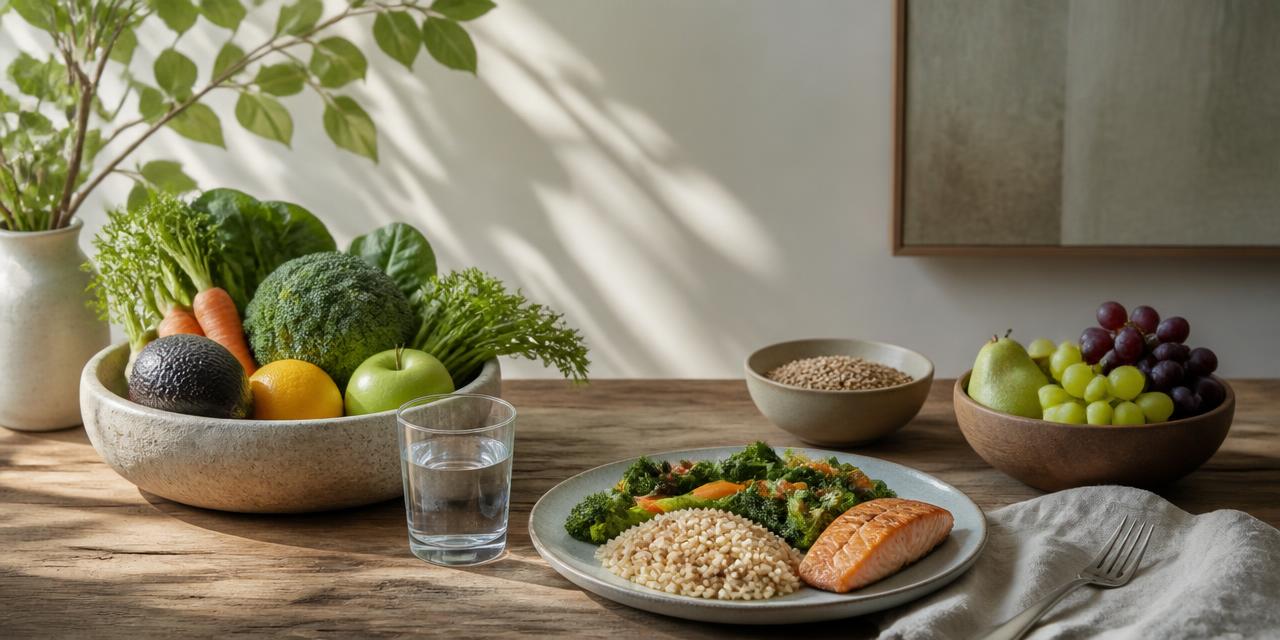
“In these days, it is very important to learn to eat what is healthiest for you from the moment you begin making your own choices.”
There comes a moment in life when your parents stop deciding what goes on your plate. You begin choosing for yourself: what you buy, what you cook, what you order, what you eat late at night, and what you call “a quick meal” because you are tired or in a hurry.
That moment is more important than most people realise.
Food is not simply fuel. It becomes energy, mood, sleep, concentration, strength, weight, and—over many years—part of the condition in which you will live the rest of your life. You do not need to become obsessed with calories, read every label with fear, or turn every meal into a medical calculation. But you should learn enough to stop treating your body as if it can endure anything without consequences.
A healthy diet does not mean eating joylessly. It does not mean living on boiled vegetables, refusing every dessert, or punishing yourself whenever you enjoy a good meal. It means learning proportion. It means understanding that what you eat most of the time matters far more than what you eat once in a while.
Learn to recognise real food: vegetables, fruit, beans, lentils, eggs, fish, meat in sensible amounts, yoghurt, nuts, whole grains, and meals prepared from ingredients you can actually identify. These foods are not glamorous. They are rarely advertised with the same force as sugary drinks, fast food, alcohol, sweets, or snacks designed to make you eat without thinking. But they are the ordinary foundation on which health is built.
You should also learn to read without being fooled. ‘Natural’, ‘fitness’, ‘protein’, ‘light’, or ‘sugar-free’ do not automatically mean healthy.
Packaging is designed to sell you a feeling before it tells you the truth. Look at the ingredients. Look at how much sugar, salt, and saturated fat are actually inside. Ask yourself a simple question: would I recognise this as food if it were not beautifully wrapped and advertised?
The goal is not perfection.
Perfection does not last, and people who try to live perfectly often become tired, guilty, and then return to old habits with even less control.
The goal is to make the healthier option your normal option. Drink water more often. Cook when you can. Eat slowly enough to notice when you are full. Keep fruit, nuts, yoghurt, or simple food at home, so that hunger does not force you into bad decisions. Make the good choice easier than the bad one.
There is also a matter of independence. A person who can feed himself properly is more independent than someone who only knows how to order food through an application. Learning a few basic meals, understanding how to shop, and knowing what your body needs are not small domestic skills. They are part of being able to take care of your own life.
You will not eat perfectly every day. Nobody does. There will be celebrations, late nights, holidays, stress, and moments when a pizza, a burger, or a piece of cake is simply part of enjoying life.
Eat it, enjoy it, and move on!
The problem begins when exceptions quietly become your routine.
Your body will remember the choices you repeat, not the promises you make on Monday morning. So, when you are finally old enough to choose for yourself, choose in a way that gives your future self a better chance.
Have a great Sunday, my dears!

The thirteenth piece of advice
“Stop taking your lessons from the online world. Read books from the universal library, and shape your ideas there.”
The internet can give you information in seconds. It can show you a thousand opinions before breakfast, introduce you to every type of expert, and make you feel that you understand the world simply because you have seen many people talking about it.
But seeing people talk is not the same as learning.
Online, ideas arrive already simplified. They come in short clips, angry comments, slogans, fragments of interviews, motivational sentences placed over dramatic music, and opinions repeated so often that they begin to sound true. The problem is not that everything online is false. The problem is that almost everything online asks for your reaction before it asks for your thought.
It wants you to agree, disagree, laugh, become angry, share, and move on. It does not always want you to stop, examine an argument, understand its history, compare it with another argument, and decide slowly whether it deserves a place in your mind.
That is why you should not take your examples only from the online environment. Do not allow influencers, anonymous accounts, short videos, or fashionable public outrage to become your moral education. Most of these people do not know you. Many do not even believe in what they are saying; they simply know what attracts attention.
Algorithms also do not choose information because it is wise, balanced, or useful for your development. They are designed largely to select and arrange content that is likely to be relevant or engaging to you. As a result, what appears in your feed can become an increasingly narrow reflection of your existing interests, fears, anger, and beliefs—not necessarily a serious picture of the world.
Read books instead.
Read from the universal library: history, philosophy, literature, science, biography, religion, psychology, political thought, poetry, and the great works of civilizations other than your own.
Read people you agree with, but also people who disturb you. Read the ancient world, read the modern world, and read authors whose conclusions you reject but whose minds force you to work.
A serious book requires something that the internet rarely requires: patience. It asks you to follow an idea through hundreds of pages, to understand the context behind a conclusion, and to meet a mind in its full complexity rather than through a ten-second quotation. A book gives an author enough space to explain himself. It also gives you enough silence to disagree intelligently.
Do not read in order to collect quotations that make you appear wise.
Read to become harder to manipulate.
Read so that, when someone tells you what to think about war, religion, money, politics, relationships, success, or happiness, you can recognise whether they are offering an argument or merely trying to provoke an emotion.
This does not mean that you must abandon the internet. It is a tool, and it can be useful: for finding books, locating sources, learning practical skills, following current events, and discovering voices you would otherwise never encounter.
But it should be the doorway—not the house in which your mind lives!
Use the internet to find the question. Use books to examine the answer.
In the end, your ideas should not be borrowed from whatever happened to appear on your screen today. They should be formed slowly, tested against reality, strengthened by reading, and made truly your own. Media and information literacy is precisely about developing the capacity to find, analyse, evaluate, and use information critically in an environment full of misinformation, manipulation, and overwhelming quantities of content.
A person whose mind is shaped only by the feed may know what is trending, but not necessarily what is true. A person who reads widely may not have an instant answer to every question—but will be far less likely to mistake noise for wisdom.
Have a great Sunday, my dears!

The fourteenth piece of advice
“Be a measured person—whether you are enjoying yourself or working.”
To be measured does not mean living a dull life. It does not mean refusing pleasure, avoiding parties, distrusting laughter, or turning work into a punishment. It means knowing where the limit is: the point beyond which pleasure stops refreshing you and begins to consume you, or work stops building your future and begins to destroy your health, relationships, and peace of mind.
A balanced person can enjoy life without being ruled by enjoyment. He can go out, drink a glass of wine, dance until late, travel, spend money on something pleasant, and take a day without responsibilities. But he does not need excess in order to feel alive. He understands that one good evening should not cost him three bad days afterward.
The same applies to work. Work matters. It gives structure to life, develops skill, allows independence, and creates the possibility of building something that lasts. But work should not become an idol. There are people who believe that exhaustion proves importance, who wear sleep deprivation like a medal, and who call a life with no time for family, rest, health, or pleasure “success.”
That is not always ambition. Sometimes it is only disorder with a respectable name.
To be measured at work means to be serious, reliable, and disciplined—but also to know when enough has been done for the day. It means that you work hard without allowing your entire identity to be swallowed by your job. Your profession is important, but it is not the whole of you. No salary, position, or title can give back every hour lost with the people you love, every night spent awake without need, or every warning sign your body gave before it finally stopped cooperating.
Long working hours are not harmless merely because they are common.
Rest, boundaries, and recovery are not laziness; they are part of remaining useful, clear-minded, and capable over the long term.
In pleasure, moderation protects your dignity. In work, moderation protects your life.
This does not mean that you must calculate every meal, every drink, every hour, every expense, or every moment of relaxation. A person who tries to control everything will eventually become a prisoner of control. The goal is not perfection. The goal is awareness: knowing what you are doing, why you are doing it, and what it will cost if you continue without limits.
There will be periods when work demands more from you. There will be celebrations when you stay out longer, eat more, spend more, or forget your routine for a night. That is normal. Life cannot be lived like a military timetable. What matters is that excess remains an exception, not the structure of your life.
Self-regulation is closely connected with long-term goals: it is the ability to manage impulses, emotions, and behaviour instead of allowing the immediate moment to make every decision for you. Research links stronger self-regulation with better health and wellbeing outcomes, although it is not a magic quality and it can be learned gradually through habits, planning, and practice.
Be capable of pleasure, but do not be its servant. Be committed to work, but do not become its prisoner. A measured person does not live less intensely. He simply lives with enough judgment to still be standing after the noise has passed.
Have a great Sunday, my dears!

The fifteenth piece of advice
“Do not believe in love stories. The chances of love unfolding exactly as you have read it in stories are very small.”
This does not mean that love does not exist. It does not mean that devotion, attraction, tenderness, loyalty, desire, sacrifice, or long-lasting companionship are lies. They are real. But the stories we grow up with often teach us to expect love in a form that reality rarely provides: immediate certainty, perfect understanding, permanent passion, no misunderstandings, no boredom, no difficult conversations, and a happy ending that arrives before the real work has even begun.
That is not love. That is a story designed to make you feel something quickly.
Real love is usually quieter. It begins with curiosity, attraction, chance, and hope. Then reality appears. You discover that the person in front of you has fears, habits, wounds, contradictions, moods, limits, and a past that did not begin when they met you. They discover the same things about you. This is where many people become disappointed: not because love has failed, but because the fantasy has met a real human being.
A relationship is not tested when both people are attractive, rested, successful, and in a good mood. It is tested when life becomes inconvenient. When one person is sick. When money is short. When there is stress, disappointment, jealousy, distance, family conflict, fatigue, or a serious mistake. At that point, beautiful words are no longer enough. What matters is character: the ability to speak honestly, listen without humiliating, take responsibility, apologise when necessary, and remain kind even during disagreement.
Do not look for someone who completes you!
That expression sounds romantic, but it can become dangerous. If you are incomplete alone, you may become dependent on another person to give you an identity, purpose, or peace that you should also be able to build inside yourself. Love should add to your life; it should not become the only thing holding your life together.
And do not expect your partner to read your mind!
They cannot. Nobody can. The idea that “if they really loved me, they would simply know” has damaged many relationships.
Adults communicate.
They say what hurts them, what they need, what they fear, and what they are unwilling to accept.
Silence, tests, jealousy, and punishment are not proof of profound love. They are usually proof that something important is not being said clearly.
There is also no guarantee. You can be honest, loyal, attractive, attentive, and willing to work—and still be left. People change. Circumstances change. Feelings change. Some relationships end because someone behaves badly; others end because two decent people eventually discover that they want different lives. This is painful, but it is not always a betrayal. Sometimes it is simply reality refusing to follow the script we wrote in our heads.
Do not believe in a love that asks you to lose your dignity. Do not call humiliation “passion.” Do not call control “protection.” Do not call jealousy “proof that someone cares.” Do not call repeated cruelty “a difficult personality.” And do not remain where you are consistently lied to, frightened, degraded, or made to feel worthless just because a story taught you that suffering is the price of a great love.
A healthy relationship is not perfect; it is workable. It allows both people to remain themselves. It makes room for trust, mutual respect, affection, attraction, boundaries, friendship, and difficult conversations. It does not require one person to become smaller so that the other can feel larger.
So do not believe in love stories exactly as they are sold to you.
Believe instead in something more demanding and more valuable: two imperfect people who see each other clearly, choose each other freely, and do the daily work required not to destroy what they have found.
That kind of love may be less spectacular than a fairy tale.
But it has a better chance of being real.

The sixteenth piece of advice
“You will do good for many people, and many of those you helped will forget you—or turn their backs on you. Much of it comes down to interest.”
At some point in life, you will help someone who later behaves as if you never existed.
You may give them time when nobody else had time for them.
You may listen when they had no one to talk to, lend money when they were in difficulty, recommend them for a job, defend them when others criticised them, or simply stand beside them when they were weak.
Then, when they no longer need you, they may disappear.
This is painful not only because you lost a person, but because you thought the help created a bond. You believed that kindness would be remembered, that loyalty would return loyalty, and that someone who had seen you at your best would not later treat you as if you were nothing.
Sometimes you will be right. Some people do remember. Some will repay kindness, not necessarily with money or grand gestures, but through respect, presence, gratitude, and the willingness to stand beside you when your own difficult time comes. These are the people worth keeping close.
But not everyone is built that way.
Many people live according to immediate interest. While they need something, they are warm, grateful, available, and full of promises. When the need disappears, so does the relationship.
This does not always mean they planned to deceive you from the beginning.
Sometimes people are weak, ashamed, selfish, distracted by their new life, or simply unable to face the person who knew them when they were vulnerable.
But whatever the explanation, the result is the same: you learn not to confuse need with loyalty.
Still, do not turn this lesson into bitterness. It would be a mistake to conclude that all people are ungrateful, that every favour is wasted, or that kindness is foolish.
The fact that some people use others does not mean you should become cold, cruel, or incapable of helping. It means you need judgment.
Help people when you genuinely can. Help because you believe the act is right, because it fits your character, and because you can live peacefully with the choice afterward.
Do not help only as an investment from which you expect guaranteed returns. Gratitude and reciprocity do exist, but they cannot be demanded like payment on an invoice. Research shows that people are more likely to feel gratitude and to want to reciprocate when help appears freely given and benevolent rather than conditional or self-serving.
But do not give so much that you abandon yourself.
There is a difference between generosity and becoming useful to people who have no intention of respecting you.
There is a difference between being available in an emergency and allowing someone to make their emergency your permanent responsibility.
There is a difference between forgiving a mistake and repeatedly accepting the same disrespect.
Learn to notice patterns. If someone appears only when they need money, advice, contacts, emotional support, transport, a place to stay, or someone to solve a problem, pay attention. If they disappear after receiving help and return only with a new crisis, you are not necessarily their friend. You may simply be a resource.
A mature person helps with an open hand, but not with closed eyes.
Do not count every favour. A friendship or family relationship cannot survive if every kindness is recorded like a debt. But remember enough to understand the balance.
Do they ever ask how you are?
Do they show up without needing something?
Do they make an effort when you are the one in difficulty?
Do they respect your limits when you say no?
These questions will tell you more than their promises.
In the end, you should do good without becoming naïve. Be generous without becoming available for exploitation. And when someone forgets you after everything you did, do not destroy yourself trying to make them remember.
Their ingratitude describes their character.
Your kindness, if it was given wisely, still describes yours.

The seventeenth piece of advice
“Develop your instinct—and learn when to trust it.”
Flair is one of those things people often dismiss because they cannot measure it easily. They call it instinct, intuition, a feeling, or simply “something that does not sit right.” Yet, over time, many people discover that the warning they ignored was often the warning they should have examined more carefully.
Your instinct is not magic.
It is not a mysterious power that makes you infallible, and it should not replace facts, evidence, or calm thinking. More often, it is the result of your mind noticing small details before you have consciously put them into words: a contradiction in someone’s story, a shift in tone, a look that does not match the words, a promise that sounds too polished, a situation that resembles something you have seen before.
That is why instinct can become stronger with age and experience. You begin to recognise patterns. You have met certain types of people before.
You have seen how manipulation begins, how excuses repeat themselves, how someone behaves just before they disappoint you, betray you, ask for money, disappear, or reveal a side they carefully hid at the beginning.
The first lesson is to pay attention when something feels wrong. You do not have to accuse anyone immediately. You do not have to become paranoid, suspicious of every smile, or convinced that the world is against you. But you should not silence yourself merely because you cannot yet explain your discomfort perfectly.
Sometimes your mind has noticed something your mouth has not yet managed to formulate.
When you have that feeling, slow down. Do not rush into the relationship, the business arrangement, the purchase, the promise, the job offer, or the friendship. Observe more. Ask a simple question. Check the facts. Give time enough for consistency—or inconsistency—to reveal itself.
A good instinct does not demand blind action. It asks for closer attention.
But you also need to understand the difference between instinct and fear.
Fear often comes from old wounds, insecurity, jealousy, pride, or anxiety. It can make you see danger where there is none. If someone betrayed you in the past, you may feel suspicious of a good person in the present. If you were rejected, you may interpret neutrality as contempt. If you failed once, you may call every new opportunity a trap.
That is not necessarily intuition. It may simply be pain trying to protect itself.
Real instinct becomes more reliable when it is connected to experience, repeated feedback, and honest self-examination.
So develop your instinct deliberately.
Observe people without rushing to judge them. Notice whether their words and actions agree. Remember the promises they make. Watch what they do when they have nothing to gain. Pay attention to how they treat people who cannot help them, how they behave when frustrated, and how they speak about those who are not in the room.
Keep a record in your own mind of what happened after you trusted a certain feeling. Were you right? Were you wrong? What detail did you notice? What did you miss? In time, this reflection makes your judgment sharper.
But do not worship intuition.
Confidence in a feeling is not proof that the feeling is correct.
Trust your instinct most when it has been earned: when it comes from experience, observation, and a mind calm enough to distinguish a warning from a wound.
Your instinct should not replace thought.
It should tell your thought where to look.
Have a great Sunday, my dears!
To be continued
This is only the beginning. The next part will follow soon.